How Two Buttons and AI Gave Ben A Voice Again
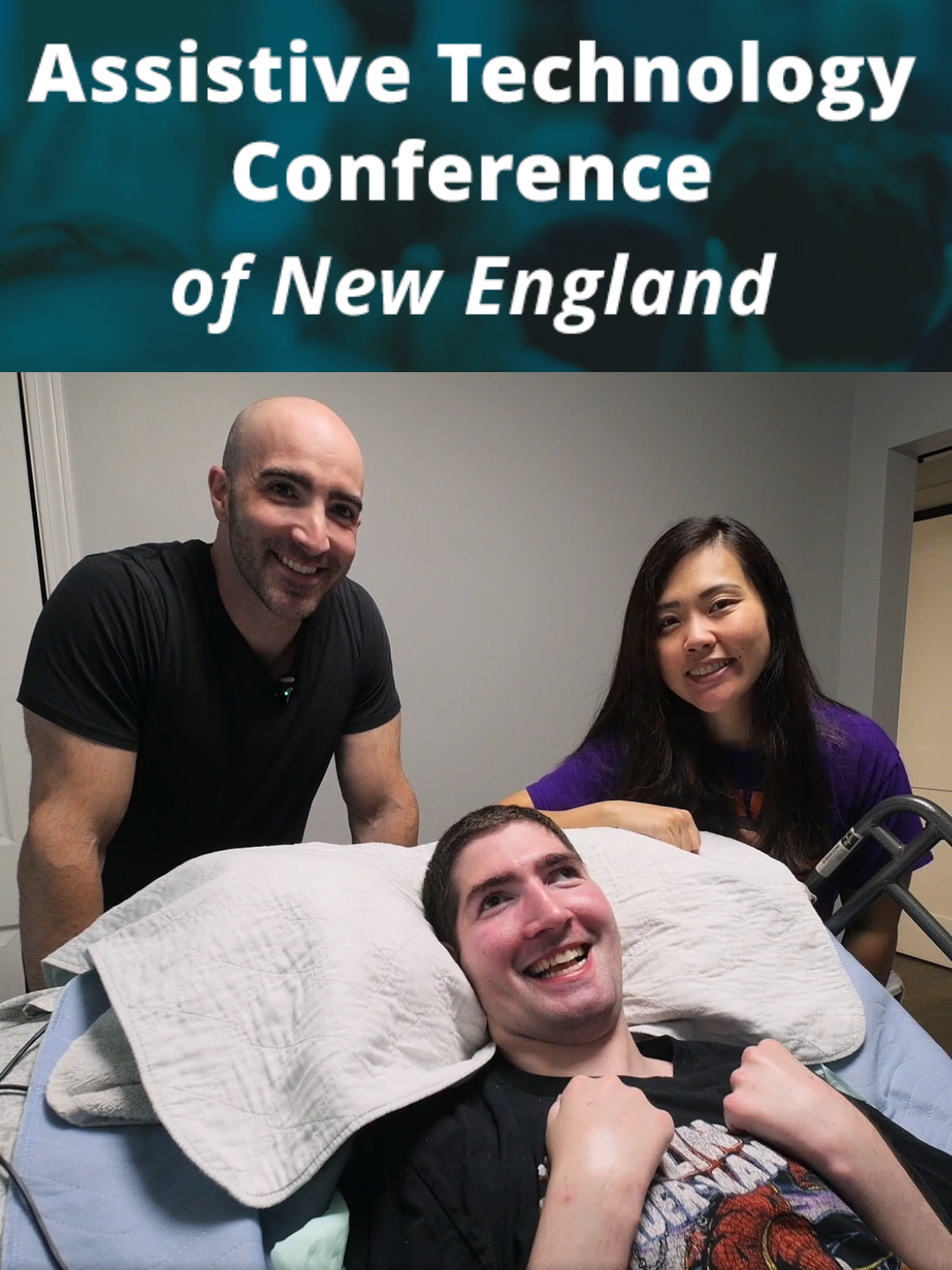
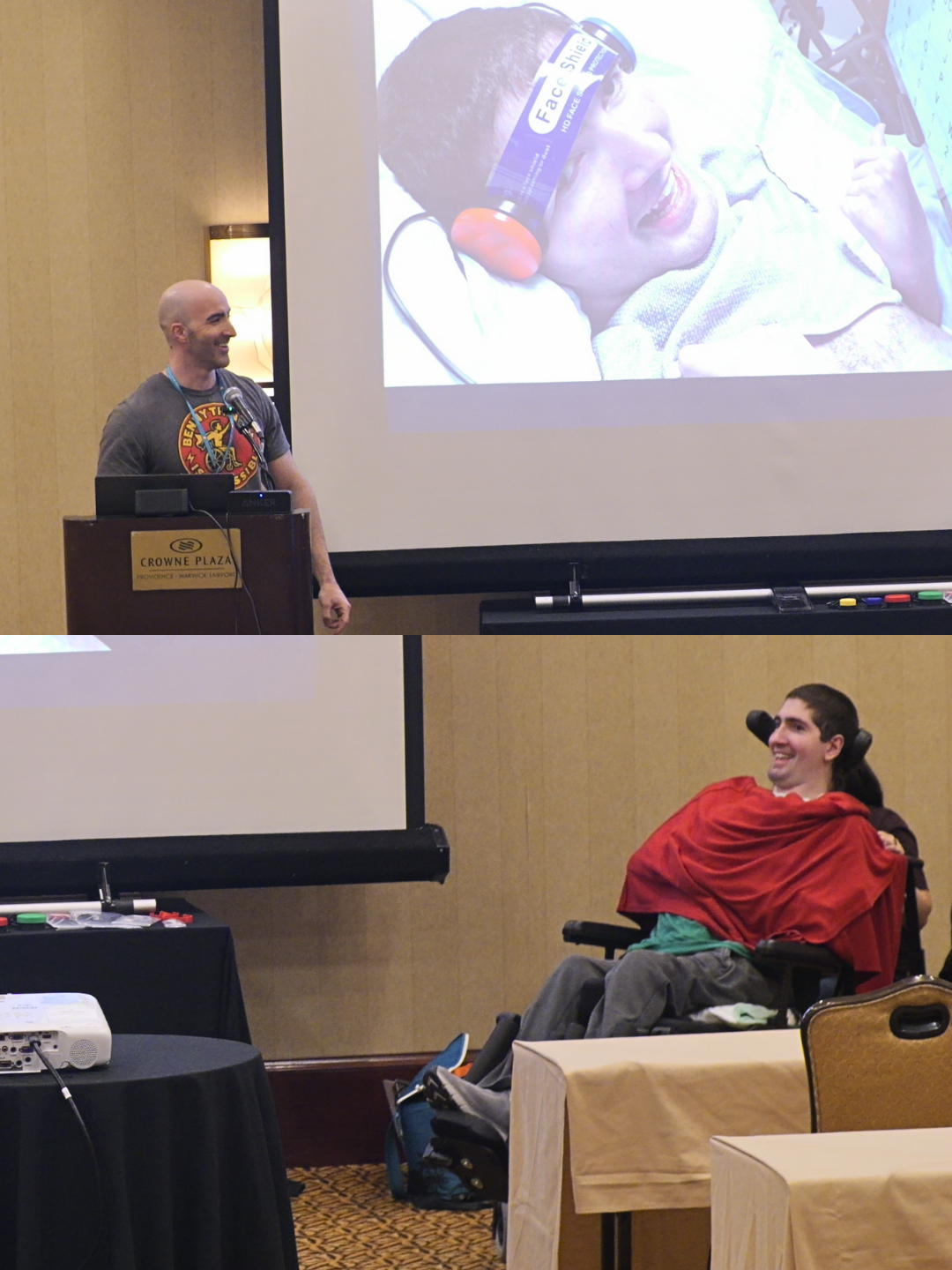
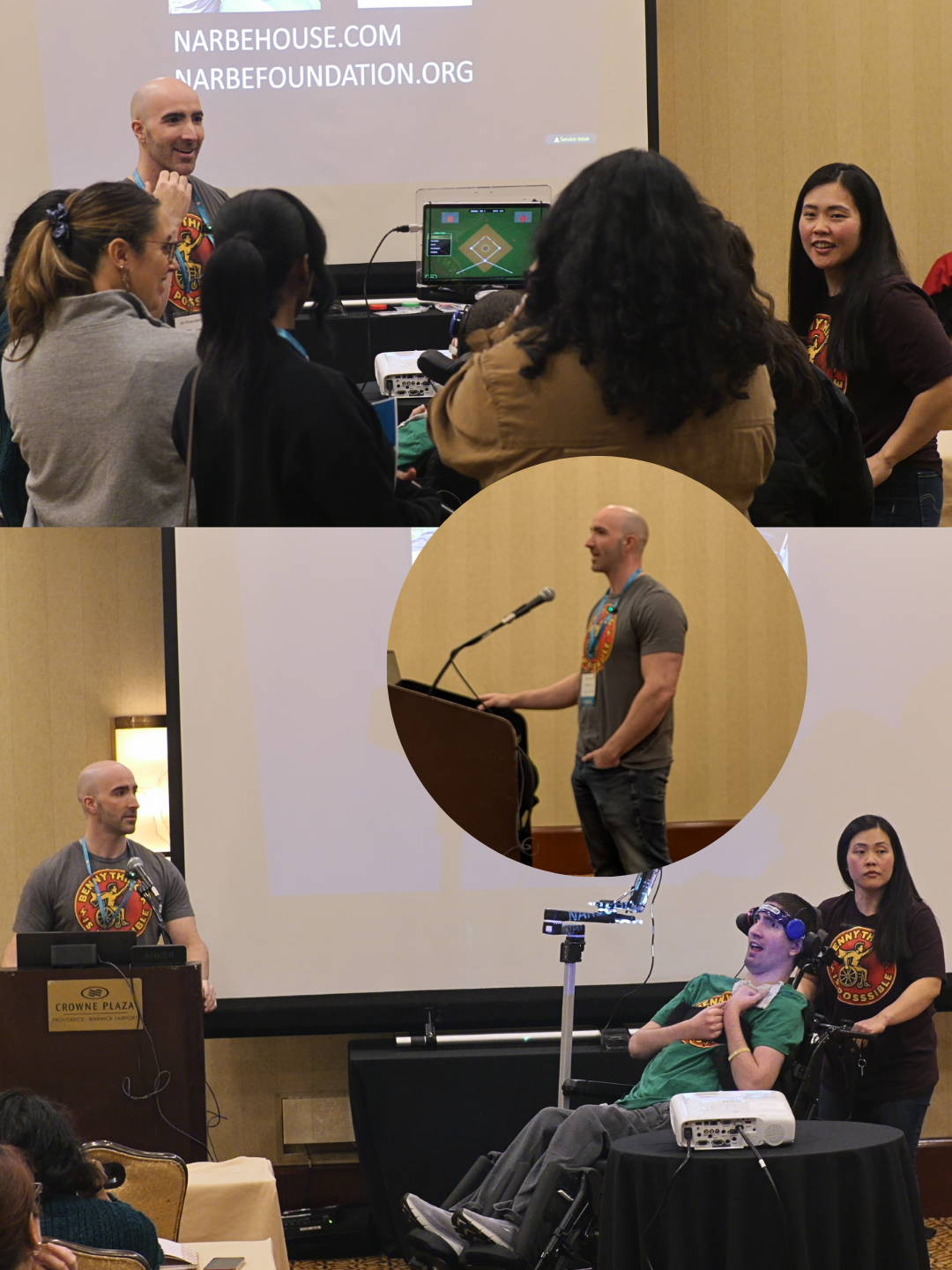
The Founders of the NARBE Foundation was selected as guest speakers at the 2025 Assistive Technology Conference of New England.
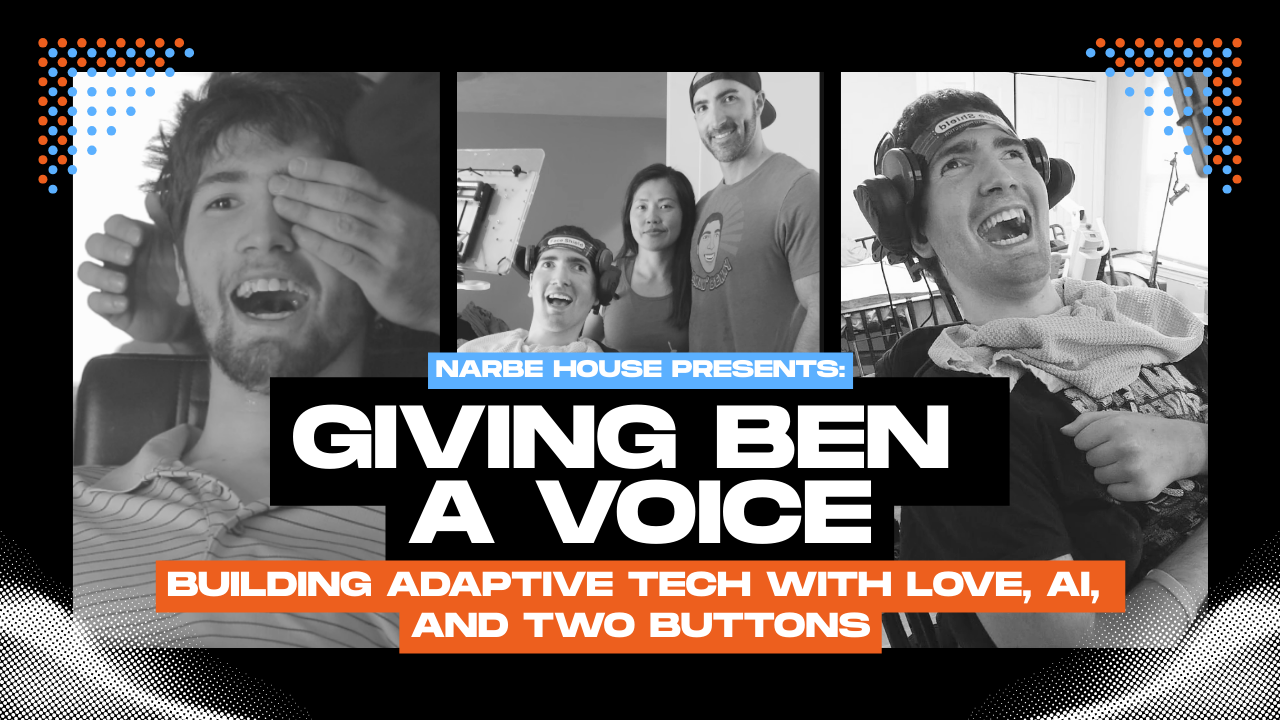
This video shares the story of how their family used creativity and AI to give Ben, a nonverbal adult living with TUBB4A-related leukodystrophy, a way to communicate and play again.
It all began with a simple question: what do you do when the technology that exists is not enough?
Ben has always been joyful, competitive, and playful. As his condition progressed, he gradually lost speech, mobility, and independence. Commercial assistive technology could not keep up. Eye tracking failed due to nystagmus, head tracking was unreliable, and none of the available tools brought him joy. Games had always been Ben’s greatest source of freedom, yet most assistive tools were designed for survival, not happiness.
During the pandemic, Ben’s health declined rapidly. That crisis brought the family back together. Nancy and Ari moved across the country, rebuilt Ben’s care, renovated an accessible home, and helped him regain medical stability. When they finally received Ben’s diagnosis of TUBB4A-related leukodystrophy, it brought clarity and direction for the first time in years.
That moment marked a shift in their mission. Their goal became helping Ben reconnect with the world. They started with daily reading, simple yes or no questions, and early communication tools. What mattered most was restoring his autonomy, entertainment, and ability to explore.
When existing tools still fell short, they decided to build their own.
With no formal coding background, Ari discovered that AI could help create Ben’s first custom tools. These included ways for Ben to choose his own TV shows, use phrase boards, and type with a keyboard. Every decision was guided by one question: what will make Ben smile? AI became a collaborator in the process.
Over time, they built a complete two-button communication hub. It includes facial unlock, a predictive keyboard that learns Ben’s vocabulary, spreadsheet-powered menus updated at home, search tools, Discord messaging, and custom games designed specifically for him. The moment Ben laughed while playing a two-button game marked a turning point for the entire family.
As they shared Ben’s journey online, people began reaching out. What started as one family’s solution grew into a broader community movement.
Their message is simple. This is not about being a programmer. It is about love, connection, and building for one person first using modern tools. When families feel empowered, accessibility can grow far beyond what large companies alone can provide.
The video closes with a reflection on how far Ben has come, the independence he has regained, and an open invitation for others to join the mission.